
News and Tools for Happiness, Love, and Wisdom
Volume 20.1• February 2026
The Wise Brain Bulletin is published bimonthly (6 times a year), and contains major articles as well as lots of nuggets about the brain, inspiring quotes, links to awe-inspiring pictures and websites, and much more.
To subscribe to The Wise Brain Bulletin, simply enter your email address above. We will never share your email address and you can unsubscribe anytime.
In This Issue
The Nervous System as a Spiritual Organ
Rethinking Neurodivergence, Chaos, and Transformation
© 2025 Dr. Nicole Dolan
The meltdown began, as it often did, with something small — an unmet expectation, a tiny shift that unraveled everything.
It was a routine trip to the grocery store. Ella, wearing her shiny pink rain boots on a sunny day and gripping her miniature shopping cart, darted straight toward the produce section. “Lemons, Mama!” she cried, her voice high and bright, full of excitement. Within seconds, her cart was overflowing, the lemons teetering dangerously on the edge.
“Sweetheart, that’s enough,” I said gently, crouching beside her.
“No, Mama! More!” she cried, her voice sharper now.

And then I felt it — the shift. Her joy tipping into something else. The tension rising in her shoulders, the air between us stretching thin. I had seconds to redirect her. Seconds before the storm hit. Moments later, she was on the cold tile floor, fists pounding, screams reverberating through the store while strangers stared and muttered about control — that impossible, meaningless word.
I didn’t know it then, but this wasn’t about control. It was about nervous system overwhelm — hers and mine.
Some of the most sacred teachings in my life haven’t come from textbooks, therapy rooms, or meditation retreats.
They’ve come from the kitchen floor, where I sat holding my daughter through meltdowns like these — her body trembling, her breath uneven, mine trying to match hers.
For years, I believed something was wrong — with her, with me, with us. Our days were full of big feelings, sensory overwhelm, and transitions that felt like walking barefoot across a shifting fault line. Professionals called it “behavioral challenges.” Onlookers at the grocery store, teachers at school, even close friends often labeled it as “tantrums,” “defiance,” or “bad parenting.”
Living in that tension — parenting a child whose experience of the world defies conventional frameworks — can feel deeply isolating. You begin to question yourself, your instincts, your capacity. You search for fixes, specialists, therapies, anything that promises to make life easier for your child and your family. And yet, for many families like mine, there isn’t one simple solution — because we’re not addressing the core truth: we’re raising children with highly sensitive nervous systems in a world that wasn’t built for them.
The more I learned, the more I realized this: our nervous system isn’t just a stress-response mechanism. It’s a gateway.
It’s the bridge between our biology and our soul — between science and meaning, between regulation and awakening. And when we begin to understand this, everything changes: how we parent, how we relate, how we meet our own pain.
This shift has transformed my work and my life, shaping the way I understand healing, resilience, and the deeper intelligence of the body. I now believe the nervous system may be the most powerful spiritual organ we have — and it’s time we stop pathologizing chaos and start listening to what it has to teach us.
The Nervous System as a Spiritual Organ
The nervous system is not simply biological hardware — it’s a bridge between the body and the psyche, the individual and the collective, the personal and the ancestral.
Dr. Stephen Porges’ polyvagal theory offers a useful framework here: the nervous system continuously scans for safety or danger, shifting us between states of connection, activation, and collapse. But what polyvagal research often doesn’t emphasize — and what contemplative traditions have long taught — is that the nervous system is also a portal for awakening.
When we support safety and connection in the body, we don’t just reduce stress. We open access to deeper creativity, intuition, and meaning. We begin to see that our inner chaos often reflects an invitation — a chance to reorganize, to release what no longer serves, and to meet life from a more integrated state.
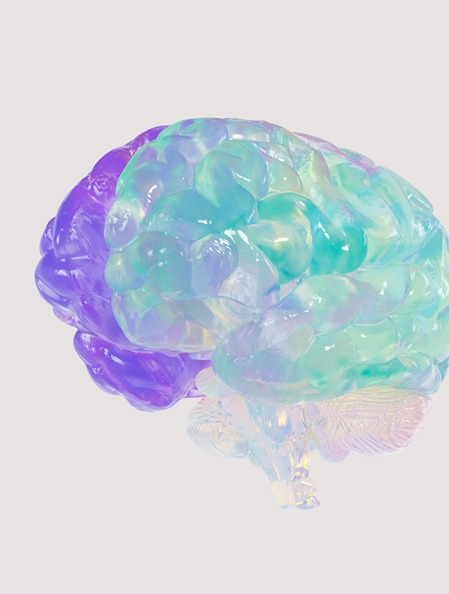 Dr. Rick Hanson’s research on neuroplasticity affirms this: with intention and mindful attention, the brain reshapes itself in response to experience. Paired with nervous system practices, this rewiring helps us bring our spiritual insights into embodied, lived reality. We aren’t simply calming our bodies; we’re reprogramming the pathways that hold our stories, wounds, and potential.
This integration of science and spirituality reshapes how we approach parenting, therapy, and healing itself. It invites us to view the nervous system not as a problem to fix, but as a teacher revealing pathways toward deeper wholeness.
Why Modern Life Dysregulates Sensitive Systems
Children have always been sensitive, but modern life has amplified challenges for those with highly attuned nervous systems. We live in an era of constant stimulation — screens, artificial lighting, noise pollution, processed food, chemical exposures, academic pressures — while simultaneously being disconnected from the natural regulatory supports our systems evolved alongside.
For thousands of years, humans co-regulated in tight-knit communities and relied on rhythms of nature to regulate — sunlight, physical play, clean food, quiet nights, and predictable routines. Today, we’ve replaced many of those grounding forces with environments that overwhelm the sensory and nervous systems, especially for children who already process the world more intensely.
We are asking sensitive children to adapt to a world designed for efficiency, productivity, and conformity — not regulation, connection, and diversity of neurobiology. The result? Escalating rates of anxiety, meltdowns, shutdowns, learning challenges, and family stress.
Conscious Parenting and the Medicine of the Mirror
There’s a deeper reason families experience such profound dysregulation when raising sensitive children: our children awaken unhealed parts of us.
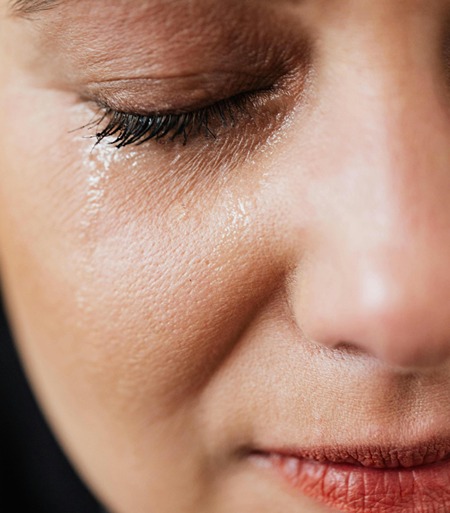 This is the essence of conscious parenting. These children don’t just challenge our schedules — they challenge our nervous systems, our histories, and our stories about safety, love, and belonging.
I’ve had moments where my daughter was laughing joyfully one second and suddenly disconnecting the next. My body registered the shift before my mind did — and old memories surfaced. Times in my childhood when life went from safe to unsafe without warning. Her nervous system was mirroring my own unhealed imprints, inviting me to tend to them so I could show up with greater presence, wholeness, and calm.
For trauma survivors, these moments can be especially activating. A loud meltdown, a chaotic dinner, a slammed door — the nervous system perceives threat even when the mind knows we’re safe. And yet, this is the invitation: to build capacity in our own bodies, so we can co-regulate with theirs.
Our children bring medicine when they bring us to our edges. They show us where we need healing, where our stories live, and where we’re being called to grow.

Neurodivergence and the Sensitive Nervous System
Neurodivergence is often viewed through a clinical lens — defined by diagnostic categories, deficits, and pathology. But what if we reframed it as a spectrum of sensitivity and adaptation?
For many children, especially those with autism, ADHD, sensory processing differences, or PDA profiles, their nervous systems are wired to experience the world intensely. Lights feel brighter. Sounds sharper. Transitions harder. Social interactions more complex.
This sensitivity can be profoundly beautiful — many neurodivergent children hold deep wells of creativity, intuition, and innovative thinking — but it can also make navigating modern life extraordinarily challenging.
Supporting these children often feels like navigating a storm. The challenges are layered:
- Food sensitivities that impact mood, cognition, and energy
- Sleep disruptions that amplify stress responses
- Interoceptive differences, meaning they may not accurately sense hunger, temperature, or discomfort
- Methylation and nutrient processing challenges, where essential supports like B-vitamins or magnesium don’t metabolize properly without tailored intervention
- Structural mismatches between their needs and the environments around them, from fluorescent lights to rigid classrooms to noisy lunchrooms
These aren’t “problems to fix” — they’re signals from deeply sensitive bodies trying to adapt in environments that overload their systems.
And yet, alongside these challenges, these children often bring extraordinary gifts. Many demonstrate heightened intuition, deep empathy, and sometimes even profound awareness of realities beyond the physical. Some sense the emotional energy of a room before words are spoken. Others perceive subtle details others overlook or see interconnections that expand our collective understanding.
I’ve seen this in my own child: she knew I was pregnant before I did. She knew my father was dying before anyone else sensed it. She’s wildly creative, deeply intuitive, and years ahead of peers in her capacity for big-picture thinking.
These children are not here by accident. In many ways, they are systems disruptors — revealing where our institutions and collective rhythms must evolve. They’re showing us that what we’ve normalized is not actually aligned with regulation, belonging, and thriving.
The Window of Capacity
Traditional trauma frameworks often focus on the “window of tolerance” — the optimal zone where we can manage challenges without becoming overwhelmed. While useful, I invite clients to shift the lens: it’s not about staying in a small safe zone — it’s about expanding the nervous system’s capacity itself.
I call this the Window of Capacity.
Instead of avoiding activation altogether, we train the nervous system to flex — to move in and out of activation and back into regulation with greater ease. Healing isn’t about preventing dysregulation; it’s about learning to move through it without becoming consumed.
This applies far beyond parenting. Our nervous system patterns shape who we choose as partners, how we receive love, the friendships we allow, and our capacity to hold success, abundance, and intimacy. The body determines how much “aliveness” we can tolerate.
Neuroscience gives us the map:
- The prefrontal cortex guides conscious decision-making.
- The limbic system processes emotion and attachment.
- The brainstem and vagus nerve orchestrate safety responses.
Every past imprint lives here — and every possibility for rewiring lives here, too. Expanding capacity isn’t just about managing stress; it’s about creating space in the body to receive more of what we desire.
When we widen this window, we build nervous system flexibility. This is resilience: not perfect regulation, but the ability to stretch, recover, and integrate over time.
Parenting Beyond Pathology
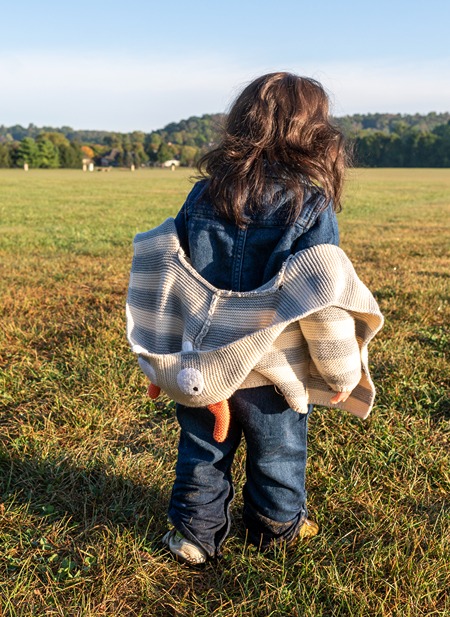 For many families, the dominant approach to neurodivergence focuses on managing behavior rather than understanding it. When children become dysregulated — melting down in a grocery aisle, shutting down in a classroom, refusing transitions — caregivers are often advised to “redirect,” “reward,” or “consequence” the behavior without exploring the nervous system drivers beneath.
But dysregulation is not defiance. It’s communication.
A child’s outburst might be triggered by sensory overload, food reactions, or exhaustion. Or it might come from subtle interoceptive signals — being too hot, hungry, or uncomfortable — that their body can’t yet articulate. Sensitive children often pick up on energy in the room: a teacher’s anxiety, a parent’s grief, even unspoken conflict between adults. These kids feel everything.
Meeting the nervous system instead of controlling it opens the door to connection, safety, and trust. And yet, supporting children requires supporting ourselves. When our child melts down, do we feel shame rise in public? Do we spiral into self-blame? Do we freeze? These reactions live in our own nervous systems.
This is where conscious parenting begins. Our children are not here to be “fixed.” They are mirrors, reflecting the imprints, patterns, and stories we carry — often ones we inherited long before becoming parents ourselves. We are living in a time of great collective change, and on the micro level, these shifts are happening in our homes.
When our children’s nervous systems collide with ours, they awaken the places within us that are still tender, unintegrated, or longing to be seen. They bring to the surface early histories, attachment wounds, and nervous system imprints that quietly shape how we love, how we regulate, and how we show up in the world.
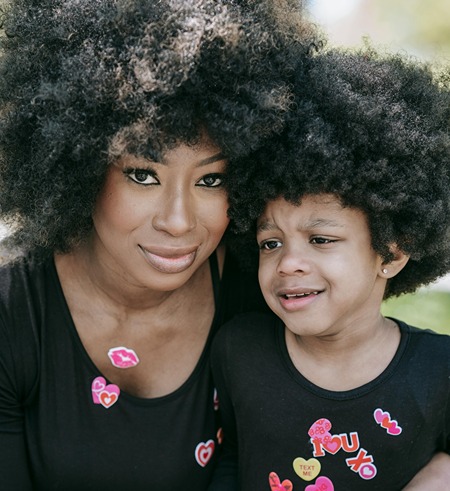 This invitation is radical: instead of focusing solely on changing the child, we are called to look within. The work becomes less about managing their behavior and more about expanding our capacity — healing the parts of ourselves that feel unsafe, unworthy, or unseen so we can anchor the safety they need.
In these moments, the child invites us into our own healing:
“What is this child mirroring in me?”
For parents, therapists, and coaches alike, supporting sensitive children requires tending to our own regulation so we can offer a grounded nervous system for theirs.
Tools for Nervous System Regulation
(Practical Tools for Disrupting Patterns of Chaos)
1. Name the State
Using polyvagal-informed awareness, identify whether you or your child are in:
- Ventral (connected, calm, engaged)
- Sympathetic (activated, anxious, mobilized for fight or flight)
- Dorsal (collapsed, shut down, disconnected)
Naming the state creates awareness and reduces shame. This shift signals safety to the brain and opens choice.
2. The Co-Regulation Reset
When your child spirals into overwhelm, your nervous system becomes their anchor:
- Lower your shoulders and voice; get down on their level
- Slow your breath intentionally
- Ground your body before speaking
- Offer calm eye contact without demanding it
Your regulated presence is the most powerful invitation for theirs to settle.
3. Micro-Moments of Repair
Rupture is inevitable in families, especially when sensitive nervous systems collide. Healing happens in repair:
- Circle back after a hard moment
- Name what happened gently: “That was intense for both of us.”
- Model self-compassion so they learn imperfection is safe.
4. Meaning-Making Rituals
Create rituals that bring coherence to chaotic moments:
- Journaling or drawing after a meltdown
- Naming “one thing we’re grateful for” each night
- Lighting a candle to signal transitions from stress to calm
These small practices weave safety, memory, and connection into daily life.
5. Expanding the Window of Capacity
Return to this again and again. Nervous system resilience isn’t built by avoiding distress; it’s built by moving through it with awareness. Gently stretching your capacity, over and over, rewires the system toward flexibility, integration, and trust.
6. Environmental Scaffolding
Set up external supports that reduce overwhelm before it begins:
- Noise-canceling headphones
- Predictable routines
- Visual schedules for transitions
- Nourishing food and hydration
- Access to quiet, sensory-safe spaces
When the environment regulates the body, the nervous system can meet life with more presence.
7. Community Co-Regulation
Healing rarely happens in isolation. Sensitive systems thrive when supported by safe, attuned community. Whether through support groups, trusted therapists, extended family, or co-regulating friendships, collective presence amplifies nervous system resilience. We aren’t wired to regulate alone — we’re wired to heal together.

Additional Supports and Resources
For parents, caregivers, and clinicians walking this path, it’s important to know that you are not alone — and there are many emerging supports that can make a profound difference for sensitive nervous systems.
- Nervous System–Based Therapies
- Neurofeedback uses real-time brainwave monitoring to strengthen neural pathways associated with calm and focus.
- Occupational therapy and reflex integration support sensory processing and improve communication between body and brain.
- Neurosensory integration techniques help children adapt more effectively to incoming stimuli, easing overwhelm.
- Somatic and Cranial Supports
- Craniosacral therapy offers gentle, hands-on support for calming the nervous system and improving sensory integration.
- Equine-assisted therapy combines emotional regulation, relational healing, and bilateral brain stimulation — helping children process stress through bilateral processing and connection with animals.
- Caregiver Capacity and Co-Regulation
Children thrive when adults around them can stay grounded. Parents benefit from having their own supports — therapists, mentors, coaches, or peer communities — where they can process emotions, strengthen their nervous system capacity, and access tools to better support their families. Somatic anchoring, vagus nerve toning, breathwork, and mindfulness practices can ripple throughout the entire system. - Biomedical and Integrative Care
Some sensitive children have underlying biomedical factors contributing to dysregulation:
- Autoimmune issues
- Undetected infections
- Nutrient processing challenges
Addressing these needs with functional medicine or targeted supplementation often unlocks greater emotional balance, clarity, and capacity to access innate gifts.
- Acknowledging the Overwhelm
If this feels like a lot, that’s because it is. Raising highly sensitive children is multi-dimensional work. There is no single intervention or quick fix. What matters most is cultivating a layered, compassionate approach that considers the whole child: their brain, body, emotions, relationships, environment, and soul.
This journey has transformed not only my work but my life. My daughter brought me into this world of neuroscience, sensory integration, and deep embodiment, even as my roots in depth psychology kept calling me back to the bigger question: What does the soul want?
Through this integration — the meeting place of science and meaning — I’ve discovered a vision for the future: one where families have access to truly holistic systems of care that go far beyond behavioral interventions alone. A future where sensitive children are supported, understood, and celebrated for the gifts they bring.
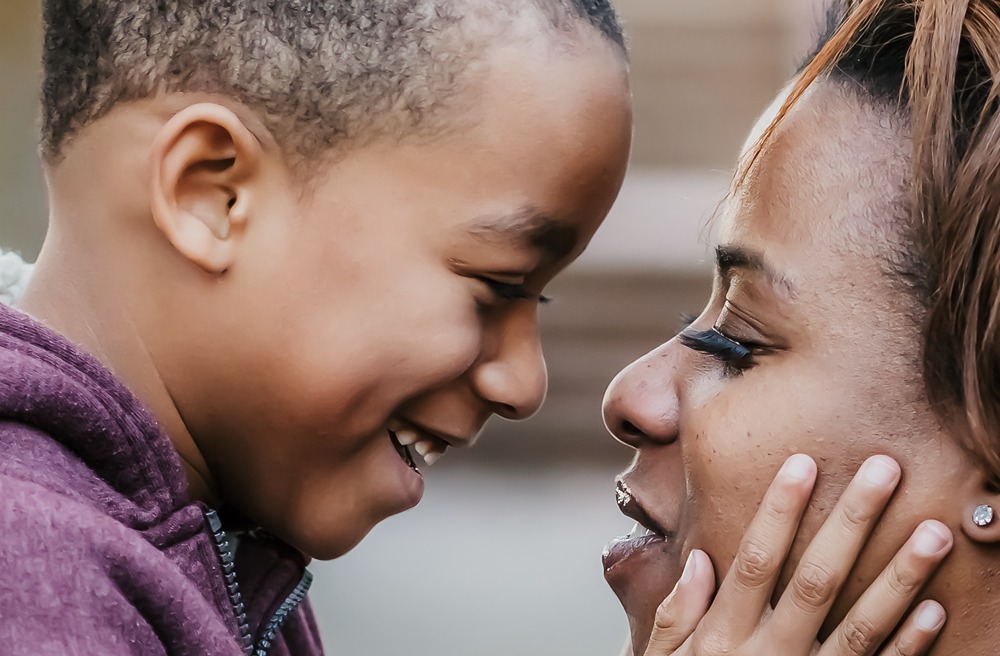
Integration
I believe our children are not broken. And neither are we.
When we view the nervous system as a spiritual organ — a bridge between safety and expansion, rupture and repair — we shift our entire paradigm. We stop pathologizing chaos and begin listening to what it’s asking of us.
Parenting, therapy, and healing at this level become invitations into transformation — not just for our children, but for ourselves. These sensitive nervous systems are showing us where our systems of care, education, and belonging must evolve.
They are calling us home to deeper connection — with our children, our communities, and ourselves.
This is, in many ways, a modern heroine’s journey: learning to descend into the body, widen our capacity, hold complexity, and return with wisdom we couldn’t access before.
ABOUT THE AUTHOR
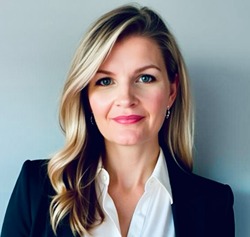
Dr. Nicole Dolan is a depth psychologist, author, coach, and mother of three highly sensitive/neurodivergent children. She is the founder and clinical director of Sacred Path Holistic Therapy and the creator of the Sacred Architect coaching pathway, where she guides awakening women, individuals, and parents of neurodivergent children through chaos, healing, and transformation. Nicole integrates neuroscience, depth psychology, and spirituality to support nervous system regulation and embodied wholeness. Her forthcoming memoir, The Art of Chaos, explores motherhood, ancestral healing, and awakening through the lens of personal and collective transformation. Learn more at www.drnicoledolan.com.
The Heart as a Sensory Organ
Dr. Reinhard Friedl’s path from Surgery to Heart Consciousness
© 2025 Sandra Megahed
Have you ever wondered what your heart truly knows and feels, or how brain and heart are communicating with each other? I recently had the chance to interview Dr. Reinhard Friedl, a longtime heart surgeon and book author whose research and life story unfold new perspectives to the idea of heart consciousness. In his outstanding book The Beat of Life, he tells his own story and how he learned to trust his own heartbeat – not just as a pulse, but as a guide and trustworthy companion in life.
The Beat of Life is a tribute to the heart, the heartbeat of our lives, the wellspring of love, wisdom, and compassion, binding spirituality to our embodied life. At the same time it tells the true, compelling story of Dr. Friedl. By studying the heart as a sensory organ and learning to listen to his own, he moved from a successful career as a heart surgeon to become an author, a holistically oriented cardiologist, and a ship’s physician. In his book, he weaves recent research from neuroscience and cardiology together with patient stories, all written in an approachable, grounded, and subtly philosophical style.
Dr. Reinhard Friedl spent decades at the operating table, performing heart surgery on tiny newborns, adults with mechanical hearts, and everything in between. Yet, even in the midst of high-pressure clinics and high-tech procedures, his curiosity turned inward: What does it really mean to "see with the heart" as the famous quote in St. Exupéry’s The Little Prince says? Is this just poetic language, or is there more behind those words?
He began to explore the world beyond the heart as a purely anatomic organ. Through meditation and study, Dr. Friedl dug into spiritual traditions—from Buddhism to Sufism and Christianity—all calling on us to feel and act from the heart. But does this wisdom hold up against the latest findings of modern neuroscience?
For Dr. Friedl, the heart’s story went far beyond pumping blood. He found himself peeling back the layers, moving from a technical mindset toward a holistic approach.
Heart and Brain: A Secret Couple
One of his most fascinating insights was the deep relationship between Heart and Brain. Most of us are taught to separate heart and mind. 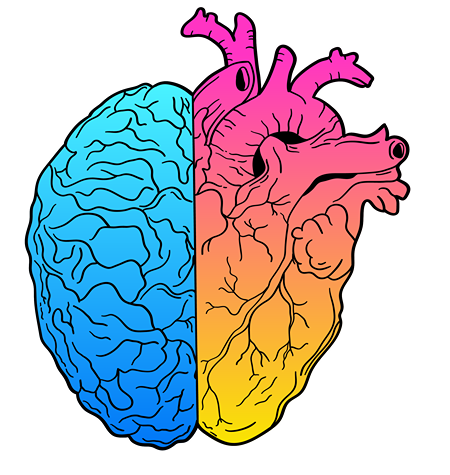 Head for thinking, heart for feeling. But science keeps challenging this idea, revealing that these two organs are far more connected than we think: "The heart and brain are like a secret couple—more Romeo and Juliet than distant relatives”, says Dr. Friedl.
Over 80 percent of the nerves connecting the heart and brain run from heart to brain, not the other way around. This leads us to the question: What does our brain have to tell our heart? It is not just taking orders from the mind; it sends a steady stream of information upward. Studies published in top journals (like Nature Neuroscience) show that there is no doubt: the brain listens to the heartbeat. There are moments when brain waves align with the rhythm of the heart—and in these moments something magical happens: our visual perception sharpens. You really do “see” better when your heart and brain are tuned to each other. “So I would say the Little Prince is right: It is only with the heart that one can see rightly. That isn’t an old, worn-out metaphor. It’s been confirmed in the meantime,” says Dr. Friedl.
The heart itself possesses its own network of nerve cells, sometimes called a "little brain.” This network can process information and make decisions independently. It’s also a powerhouse when it comes to electromagnetic fields. The heart’s field is far stronger than the brain’s. It extends around us, carries a large amount of information, and can even be measured a few meters outside the body. When we take all this together, it is scientifically indisputable and beyond any doubt, that the heart is an organ of consciousness and contributes to our human consciousness. It’s not about mathematical functions, it’s more about qualities of love, compassion, and courage.
“I have asked myself repeatedly, what is this wondrous organ that lets us live and that represents love, compassion, joy, courage, will, wisdom, and strength in different cultures and eras?”
–Dr. Reinhard Friedl
Let’s dive a little deeper into the heart as a symbol of love. Are there scientifically grounded findings on this?
The so-called love hormone oxytocin isn’t just about warm feelings. Dr. Friedl explained that after the first few days of life, a tiny cluster of undifferentiated cells exposed to oxytocin develop into heart muscle cells.
When you put together this web of nerves, hormones, and fields, the big picture comes into focus: The heart is a true sensory organ and a source of what Dr. Friedl calls "biological intelligence.”
Beyond Logic: Our Innate Power of Heart Synchronization
We often celebrate the mind for its logic and calculation, but qualities like boldness, compassion, and wisdom are strongly shaped by the heart. Take the word courage: rooted in the French "cœur" and Latin "cor," both meaning heart. Dr. Friedl points out that “wise choices aren’t just smart for oneself—they include the good of all. There are plenty of brilliant minds cut off from their hearts. Intelligence alone isn’t enough —you need the heart to bring qualities of consciousness like love, compassion, and real courage into play.” You can approach any part of your life—work, family, even mundane chores—with empathy, attentiveness, and courage. Even heart surgery, Dr. Friedl says, can be "done with heart.”
What makes us as human beings really unique is the innate ability of our hearts to synchronize with those around us.  While in the womb, a baby’s and mother’s hearts can synchronize—despite being separate, with completely independent blood cycles. This isn’t a metaphor or wishful thinking: This synchronization is a real form of communication, a direct exchange of feeling, even before words or thoughts are possible. But it doesn’t end with birth. Dr. Friedl refers to the following striking research story:
 In Southern Europe there’s a firewalking ritual. People cross red-hot coals after a full day of preparation and meditation. Scientists measured heartbeats of the firewalkers, their friends, family, and random observers. The result: The heart rhythms of firewalkers and their close supporters synchronized, even across distances. But strangers in the crowd did not “sync up.” This shows it isn’t about spatial proximity. It’s more about shared feelings and intention.
What does this mean? When you truly care for someone, your support becomes a literal, measurable force. That said, the communication of our hearts is real, not just a poetic image.
“This organic intelligence is a gift. We should make use of what we have. It makes us rich, it makes us smart, capable of survival, and healthy.”
–Dr. Reinhard Friedl
But if it is our innate power, why do we lose it? Children live quite naturally from the heart. Their actions are guided by genuine feeling, not by calculation. But as we move through life, our culture tells us to see this as naive or even weak. The ability to "perceive your own heart" often fades behind the demands to perform and function.
But Dr. Friedl has a different view: "Listening to your heart isn’t a weakness, it’s a strength. Biologically, emotionally, it helps us stay healthy, resilient, and connected.”
Heart Health: More Than Just a Physical Issue
“Modern medicine is like a large keyboard. You need to play all the keys,” says Dr. Friedl. After serious causes have been ruled out, he works with a wider, more holistic toolkit that looks at the whole person. In some cases, it’s even possible to reduce medication as the patients learn to listen to their heart.
Some heart problems are entirely physical. But in many cases, especially when doctors are puzzled by a "healthy" heart that malfunctions, Dr. Friedl believes that the root cause lies deeper. The following examples underline the connection between emotions and heart health:
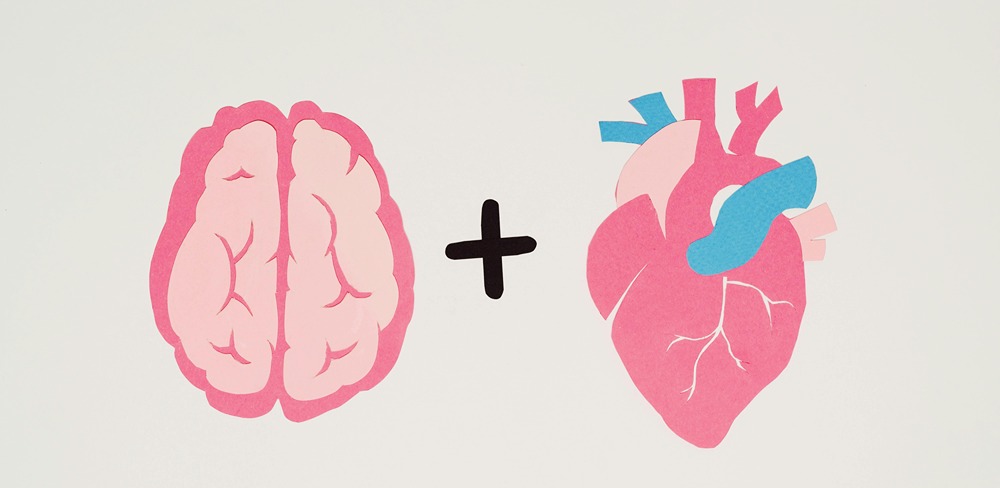
- Broken Heart Syndrome: This can be triggered by a powerful emotional shock—such as intense grief—and can leave the heart stunned, resulting in real and dangerous heart issues.
- Posttraumatic Stress and Arrhythmias: Soldiers returning from war often develop forms of irregular heartbeat not explained by physical injury, but by unresolved trauma.
- Grief: Friedl tells the story of a manager who lost her son. Despite having a physically healthy heart, she suffered a heart attack six months after the loss. She had pushed down her pain, refusing to feel it.
The Power of Stillness and Breath
In Sanskrit, the word for “heart”—"Anahata” - means the sound that arises from stillness. “That’s why moments of stillness and calm are like gold dust for our heart, and they often come with spiritual practice,” says Friedl. He emphasizes that our heart is always working, day and night and it even was working before we were born. That’s why it loves stillness. Even reputable journals, like the European Journal of Cardiology, report that meditation and mindful breathing lower the risk of arrhythmias, strokes, and heart attacks. The word "spirit" comes from the Latin "spiritus," which means "breath." As long as you are breathing, you’re spiritual, regardless of beliefs. All life breathes. Focusing on your breath connects you back to your heart, both literally and figuratively.
How does all of this translate into meaningful change? Dr. Friedl’s story is proof that reconnecting with your heart can lead to extraordinary shifts. “I’m my own experiment,” he says, referring to his own story. After years of professional achievement, he asked his own heart: "Reinhard, old pump, what would you do if I listened to you?" The answer was: “I’d love to become a ship’s doctor.” First, inner critical voices tried to hold him back: “All these years of effort to reach this level in my career; is it really worth quitting just to fulfill a crazy dream and become a ship’s doctor?” At times like these, the brain isn’t our best ally but the heart can be a wise advisor. Looking back, Friedl says, “It wasn’t an easy decision, but it was one of the best of my life.”
Then, Friedl shared a practice that helps you connect with your heart naturally and deeply:
Simple Heart and Breath Exercise
- Sit comfortably and close your eyes.
- Inhale deeply. Imagine your lungs as two wings, gently wrapping around your heart.
- Pause for a moment. Feel that soft embrace.
- Exhale slowly. Let the lungs relax, releasing your heart with ease.
- Repeat for several breaths, picturing your heart being massaged by the wings of your lungs with each inhale.
This practice mirrors what really happens. In the body, the lungs constantly fold around the heart, supporting it with every breath. Even in surgery, you can see the heart disappear behind the gentle shield of the lungs.
Further Reading and Inspiration
If you want to learn more or deepen your journey toward heart consciousness, explore Dr. Reinhard Friedl’s thoughtful and inspiring works. In English, The Beat of Life is available in two editions. Both are identical, just published in different countries.
- The Beat of Life: A surgeon reveals the secrets of the heart. Hero, 2023. Published in England, Australia, New Zealand.
- The Source of all Things. A Heart Surgeon’s Quest to Understand our Most Mysterious Organ. St. Martin’s Press, 2021. American Edition.
Dr. Friedl also shares knowledge and resources on his site: https://herzzeit.de.
ABOUT THE AUTHOR

Sandra Megahed is a coach, podcaster and journalist. She follows her passion helping people move past distraction and stress to gain back their agency over their life and health. In her work she blends evidence-based and practicable tools as Positive Neuroplasticity Training (PNT), Inquiry Based Stress Reduction (IBSR) and Relaqua Breathholding Relaxation. As a result, her participants and clients gain greater clarity, calm and fulfillment, building deeper connections with themselves and the world around them.
Linkedin: https://www.linkedin.com/in/sandra-megahed/
Website: https://changeyourbrain.de/
Treasured Moments
© 2024 Jeanie Greensfelder
Age twelve, I stood on a bus,
saw a woman with white hair
and thought, You have always
been old. I will always be young.
Magical thinking failed.
My turn came to be a period piece,
often unseen, yet alive with new
perspectives and heartfelt pleasures.
Mary Oliver said, “Tell me,
what is it you plan to do with your
one wild and precious life?”
Now, I say, What is it you plan to do
with this one wild and precious day?
Today on my beach stroll
a woman my age needing two walking sticks
reached Morro Rock. We smiled, and she
saw that I saw, and I saw that she saw
how we treasured moments.
*from Time Traveler, Penciled In Press, 2025
ABOUT THE AUTHOR
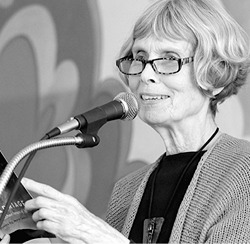
Jeanie Greensfelder is a retired psychologist. She served as the San Luis Obispo County poet laureate for 2 years in 2017 and 2018. She volunteered at Hospice of San Luis Obispo, CA, doing bereavement counseling for 24 years. Her books are Biting the Apple, Marriage and Other Leaps of Faith, I Got What I Came For, and her latest book Time Traveler. Her poem, “First Love,” was featured on Garrison Keillor’s Writers’ Almanac. Other poems are at American Life in Poetry, in anthologies, and in journals. She seeks to understand herself and others on this shared journey, filled, as Joseph Campbell wrote, with sorrowful joys and joyful sorrows. View more poems at jeaniegreensfelder.com.
Healing America
One Breath at a Time
© 2025 Mandar Apte
How mindfulness and compassion are helping bridge divides, rebuild trust, and reawaken our shared humanity — one breath, one community at a time.
The Breath Beneath the Noise
As America struggles with rising polarization and collective trauma, sharing the lessons emerging from a few unlikely communities feels more urgent than ever. Healing a nation, I’ve come to believe, doesn’t begin in the halls of Congress or inside policy think tanks. It begins in each one of us — in our human nervous system — and can be invoked one breath at a time.
For years now, America has been living along deep fault lines — of race, class, and fear. Events like the deaths of George Floyd in Minneapolis and Michael Brown Jr. in Ferguson didn’t create those divisions; they exposed them. Each tragedy lights an already-tense atmosphere, reminding us how fragile trust has become between people sworn to protect and communities yearning to feel safe.
 We can’t wait for the next flashpoint to ask how to heal. Compassion must become a foundational skill — as essential to our education as literacy — woven into how we train nurses, teachers, police officers, and public servants.
It is with this intent that I began working in America’s inner cities and communities with high rates of violence. Over the past decade, I have walked into neighborhoods across South Central Los Angeles, Chicago, Orange County, Pomona, and Southeast Washington, D.C., where gunfire, grief, and mistrust have shaped daily life. And yet, I’ve also witnessed moments of quiet courage that remind me that even in the hardest places, the human heart still knows how to open.
The Spark: From India With Love
The spark that ignited this work began in an unexpected way — through a documentary film that I had produced and directed titled From India With Love. The film follows survivors of violence from across America — including a mother who lost her child in the Sandy Hook shooting, Black Lives Matter activists, an educator from Newark, and a former Los Angeles gang member — on a healing journey to India. There they experienced India’s rich and ancient culture, contemplative indigenous practices and traditions, met with wisdom teachers, and experienced a profound shift — from grief and anger toward connection and compassion.
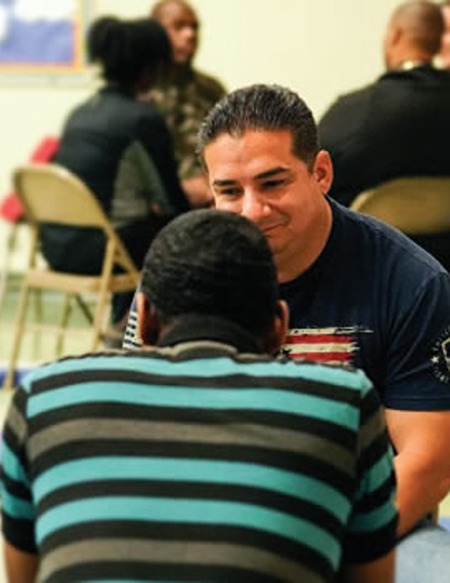 When we screened the film in Los Angeles, the response was overwhelming. Police officers, activists, and community members sat together in the same theater, many in tears. Afterward, one officer said, “If what I just saw can happen there, I want to learn how to bring that here.”
That evening revealed something profound: we are connected by our traumas, and by our shared longing to heal.
Soon after, we were invited by the City of Los Angeles to host a workshop — the Ambassadors of Peace program — for those who felt moved to explore the breath and mindfulness practices shown in the documentary.
Twenty-one participants came forward: seven former gang members, seven LAPD officers, and seven community members — teachers, parents, and youth. They didn’t come for a program; they came seeking healing. My responsibility was to create a safe space where people with vastly different lives and losses could breathe — together.
The Encounter: Police and Former Gang Members
When I entered the room on the first day, the tension was palpable. Officers sat on one side, former gang members on the other, with survivors and educators in between. The room was utterly still.
After expressing my gratitude for their trust, I began — as I have for nearly two decades — with the breath. I explained the science behind it: that emotions have corresponding breath patterns, and the reverse is also true. By learning to consciously regulate the breath, we can shift emotional states.

For twenty years, I have been teaching Sudarshan KriyaTM, a rhythmic breathing technique developed by my meditation teacher and global peace ambassador, Gurudev Sri Sri Ravi Shankar. These practices had helped me heal from my own trauma — including the anxiety and hypervigilance that I had experienced after surviving a mob attack while on an engineering assignment in rural Nigeria.
Since then, I’ve taught the Sudarshan KriyaTM practice to Shell executives, survivors of domestic abuse, American army veterans, and thousands of others seeking resilience and peace. So when I sat in that room in Los Angeles surrounded by officers, activists, and former gang members, I wasn’t sharing something foreign. I was sharing what had saved me — and what I had seen transform countless lives.
At first, the room was restless. Breathing exercises felt unfamiliar. But within minutes, shoulders softened, eyes relaxed, and a quiet settled over the group.
Afterward, one officer whispered, “That’s the first time I’ve felt safe in years.” Across the room, a former gang member said, “Same here.”
In that moment, the physiology of fear shifted toward the biology of connection.
The Science of Safety
We met weekly for eight weeks. No one missed a single session — a testament to the depth of what people were experiencing.
Modern neuroscience explains why these practices are so transformative. When the breath slows, the vagus nerve signals safety throughout the body, activating the parasympathetic nervous system. The amygdala — the brain’s alarm center — begins to quiet. The prefrontal cortex — responsible for empathy, reflection, and decision-making — becomes more active. Oxytocin rises, supporting trust and social bonding.
In scientific terms, participants were shifting from fight-or-flight into regulation and connection.
In human terms, they were remembering what it feels like to be safe — together.
One police officer later told me he now takes three conscious breaths before approaching any tense situation. “People can feel when you’re calm,” he said.
The Ripples of Change
Over time, these circles produced quiet but powerful ripples. After six weeks, we offered a Train-the-Trainer module so participants could share basic breathing practices with their neighbors, families, and colleagues.
- Officers began taking brief mindfulness pauses before roll call.
- Community members led circles for youth.
- Former gang members taught breathwork to victims of violence.
- Families felt the difference too. One officer’s teenage son told him, “You don’t shout as much anymore.” Another participant said, “I came here to fix others. I realized I had to start with myself.”
 These ripples soon extended into other U.S. cities — and eventually into South Africa, Kenya, Congo, and beyond.
Science calls this neuroplasticity — the brain’s capacity to rewire.
On the ground, it looked like people choosing healing over harm.
A Call to Breathe Together
Today, when I look back at those circles in South Central Los Angeles — the officers and former gang members breathing side by side, the laughter that replaced suspicion — I’m reminded that healing is not a miracle reserved for saints or sages. It is a human choice, available to each of us.
Neuroscience confirms what ancient wisdom always taught: the quality of our breath shapes the quality of our mind, which in turn shapes the quality of our world.
If compassion can take root in neighborhoods scarred by decades of violence, it can flourish anywhere. The work of healing doesn’t belong only to policymakers or therapists. It belongs to all of us.
Every mindful breath we take — every moment we choose awareness over reactivity — becomes an act of quiet revolution.
Because if police officers, community activists, and former gang members in South Central Los Angeles can learn to breathe together, then maybe, just maybe, so can America.
Resources & Further Exploration
(These are optional, educational resources aligned with contemplative wellbeing. Feel free to adjust based on editorial guidance.)
- From India With Love — Documentary film that inspired the healing circles described here.
- Be The Change — an online, breath-based wellbeing module introducing simple contemplative practices and includes the documentary film as well.
- Sudarshan KriyaTM — Learn more about the breath practice taught in the Art of Living workshops worldwide.
ABOUT THE AUTHOR

Mandar Apte is a former Shell executive who led the company’s GameChanger social innovation program. Today, he manages Cities4Peace, a nonprofit initiative of the Art of Living Foundation that designs and facilitates contemplative leadership and peacebuilding programs worldwide. For more visit: www.mandarapte.net.
Skillful Means: Diaphragmatic Breathing
Your Skillful Means, sponsored by the Wellspring Institute, is designed to be a comprehensive resource for people interested in personal growth, overcoming inner obstacles, being helpful to others, and expanding consciousness. It includes instructions in everything from common psychological tools for dealing with negative self talk, to physical exercises for opening the body and clearing the mind, to meditation techniques for clarifying inner experience and connecting to deeper aspects of awareness, and much more.
Diaphragmatic Breathing
PURPOSE/EFFECTS
Diaphragmatic breathing not only optimizes the breathing process, improving oxygen delivery to the organs, but it relaxes the whole body, helping to relieve stress or anxiety and to increase energy. It is one of the easiest, quickest, and most effective ways to improve the function of both body and mind.
METHOD
Summary
Breathe slowly and deeply from your abdomen rather than from your chest.
Long Version
First, check to see if you naturally breathe from your diaphragm (the muscle between the chest and the abdomen) or from your chest. Place one hand on your chest and another on your abdomen, between your navel and your ribcage. Breathe naturally. Whichever hand rises more than the other determines if you are a chest breather or an abdominal breather.
- With a hand on your chest and another on your abdomen, exhale completely, emptying the lungs.
- Breathe slowly and deeply in through your nose. Try to completely fill your lungs with air, imagining them expanding to maximum capacity, keeping the hand on your chest still while letting the hand on your abdomen rise with the inhalation. Hold this breath for a count of five.
- Slowly exhale through gently pursed lips while contracting your abdominal muscles (your “core”) to completely empty your lungs of air, as if you were squeezing the last bit of toothpaste out of the tube. Once again, let the hand on your abdomen fall while keeping the hand on your chest still. This should last for about a count of ten.
- Repeat this exercise for 5-10 minutes throughout the day. It becomes easier with time, as you strengthen your diaphragm and train your body to breathe better.
- When you begin to feel anxious, stressed, or angry in the future, take the time to breathe deeply and slowly from the diaphragm, allowing the exercise to relax you.
HISTORY
Both Western and Eastern traditions agree on the importance of proper breathing technique to maximize the body's efficient use of oxygen. Deep breathing exercises have been a part of the yoga tradition for millennia.
CAUTIONS
For persons with lung problems or those who simply have weak diaphragms, this exercise could be quite tiring at first. Be sure not to overly strain or injure yourself and stop if you begin to feel discomfort. If you know yourself to have serious pulmonary issues, consult a doctor before attempting diaphragmatic breathing.
NOTES
Diaphragmatic breathing can help in the management of hyperventilation and anxiety disorders due to its ability to calm the mind and body. Many people with these problems find it helpful in times of stress.
SEE ALSO
Bellows Breathing / Breath of Fire
EXTERNAL LINKS